







In today’s digital-first workplace, simply having a VoIP system isn’t enough. Many businesses invest in advanced communication tools but fail to see real results because their teams aren’t properly trained to use them.
A well-trained team can significantly improve productivity, reduce missed opportunities, and enhance customer experience. This guide will help you implement effective VoIP system training that drives real business impact.
1. Start with Core VoIP Features
Begin with essential functionalities to ensure every team member is comfortable:
- Making and receiving calls
- Call transfers and extensions
- Voicemail setup and retrieval
- Using desktop and mobile apps
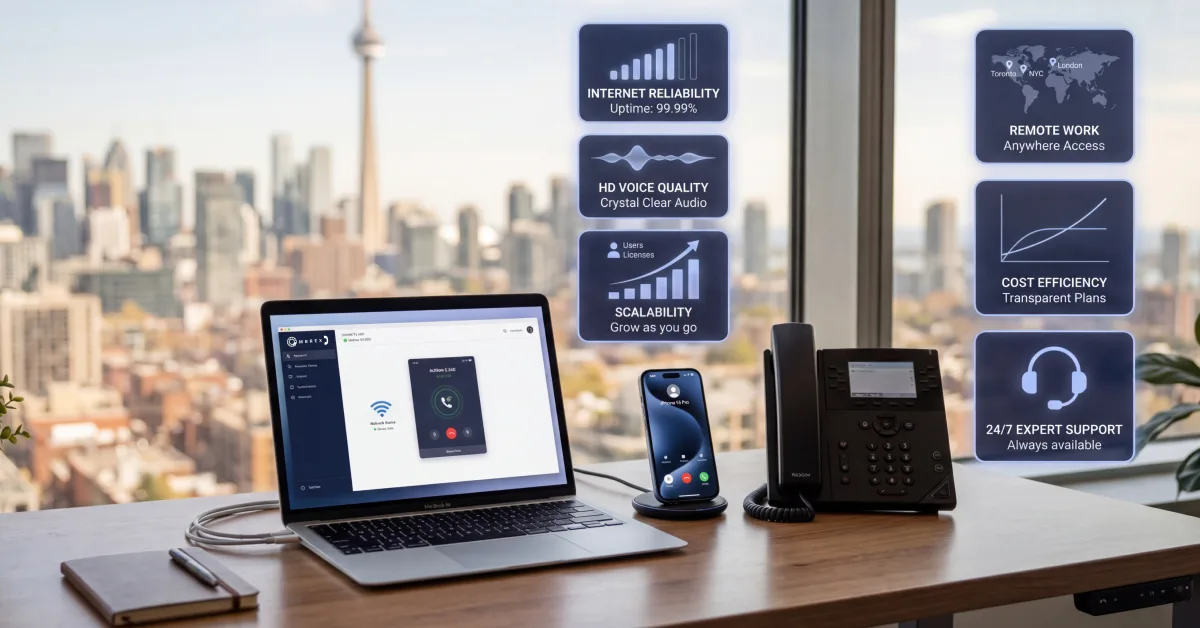
Modern VoIP platforms offer multi-device access, allowing teams to stay connected whether they’re in the office or working remotely.
2. Train Based on Job Roles
Not all employees use VoIP in the same way, so training should be role-specific:
- Sales Teams → Click-to-call, CRM integrations
- Support Teams → Call queues, routing, and recording
- Remote Teams → Mobile apps and cloud access
Role-based training ensures employees focus only on the features they actually need, improving efficiency and adoption.
3. Use Real-World Scenarios
Hands-on training is far more effective than theory. Simulate real situations such as:
- Handling customer inquiries
- Managing internal call transfers
- Responding during high call volumes
For example, simulate a frustrated customer call so support staff can practice resolving issues under pressure. Reviewing these interactions helps teams build confidence and improve communication skills.
4. Introduce Advanced Features Early
Many businesses underuse their VoIP systems by sticking only to basic features. Encourage teams to explore:
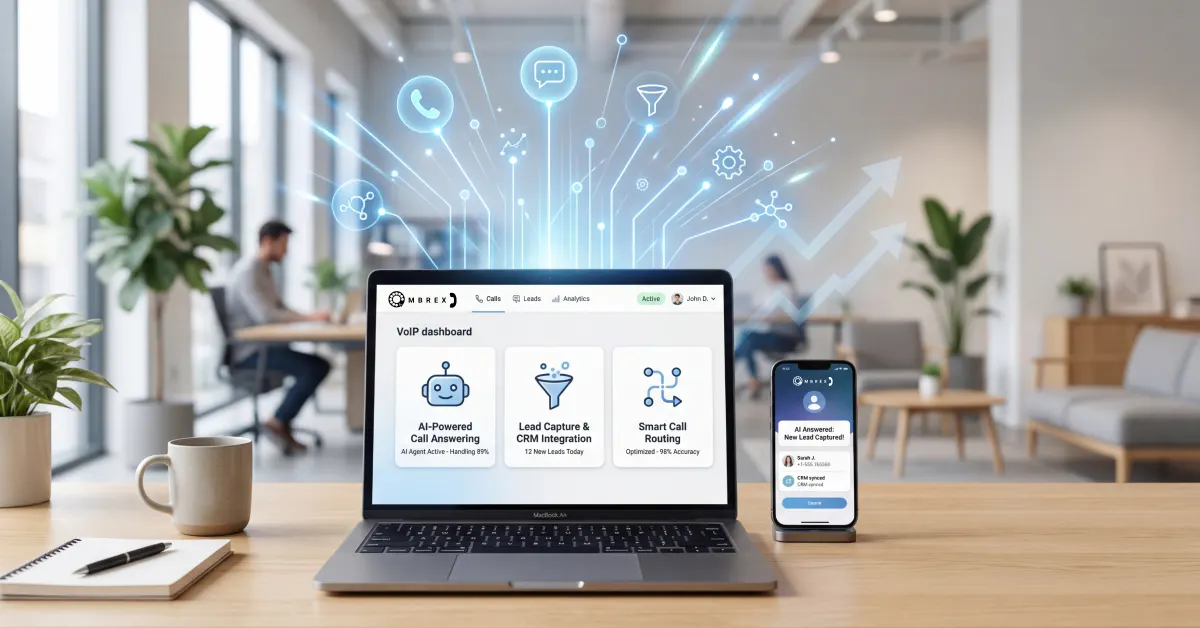
- AI-powered call handling
- Call analytics and reporting
- Voicemail-to-email
- Conference calling
When used effectively, these features can streamline workflows and significantly improve response times.
5. Provide Easy Learning Resources
Support your VoIP communication training with accessible materials:
- Quick-start guides
- Short video tutorials
- Internal SOPs
Having on-demand resources helps employees learn at their own pace and reduces dependency on constant supervision.
6. Assign a VoIP Expert
Designate a “VoIP Champion” within your team who can:
- Resolve basic issues quickly
- Assist with onboarding new employees
- Act as a point of contact for support
This approach minimizes downtime and keeps operations running smoothly.
7. Monitor Performance and Usage
Track how your team is using the system:
- Call response times
- Missed call rates
- Feature usage
Monitoring these metrics helps identify gaps and opportunities for improvement in your communication processes.
8. Keep Training Ongoing
VoIP systems continue to evolve with new features and updates. Make training an ongoing effort by scheduling:
- Monthly refresh sessions
- Feature update training
- Regular feedback reviews
Consistent training ensures your team stays aligned with best practices.
Final Thoughts
A VoIP system is only as effective as the people using it. With the right training strategy, businesses can unlock better communication, improved efficiency, and stronger customer relationships.
If you’re looking to get more value from your communication tools, start by evaluating how your team is currently using them—and where better training can make the biggest difference.
Ready to get the most out of your VoIP system?
Unlock the full potential of your VoIP system with Ombrex today—book a demo.